
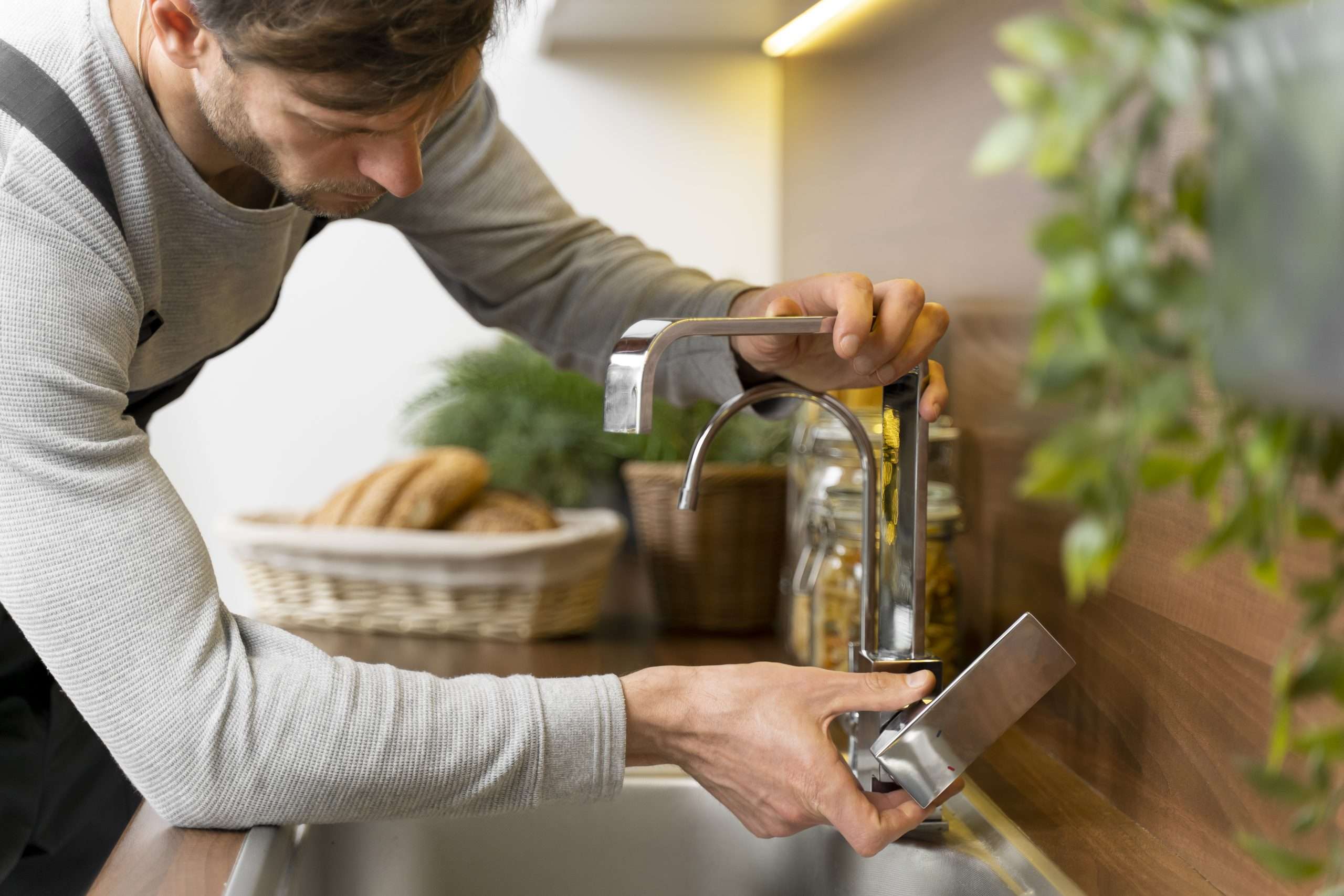
Plumbing emergencies can be a nightmare, especially when they happen at the most inconvenient times. Unfortunately, plumbing problems can occur at any time. It could be a clogged drain that causes water to flow back inside the house or bursts in the pipes that cause floods. In emergency situations like this, it is vital to know what to do before the plumber arrives. Doing so can save you money, time and prevent further damage to your property. This article will provide you with some tips to help you mitigate the situation.
Turn Off the Water Supply
The first thing to do during a plumbing emergency is to turn off the water supply to the house. This step is necessary to prevent further damages and water wastage. Locate the main shut-off valve of the house and turn it off. If you are unsure of the location, ask your plumber during the next maintenance check. Turning off the water supply will also make it easier for the plumber to identify the problem and offer a long-term solution.
Unblock the Drainage System
Clogged drains can cause water to flow into the basements and cause more damage. Try to unclog the drain by using a plunger. If the water is not draining, stop using the sink, shower or toilet, as it may aggravate the situation. Cleaning the area around the drain is also important, as the plumber will need room to work. One can put towels or mats on the floor to avoid slipping accidents. You can also use a wet-dry vacuum to clear the water around the floor.
Document the Plumbing Problem
It is essential to record the plumbing problem before the plumber arrives. Documentation can help the plumber to diagnose the problem and offer a long-term solution. Take photos and videos of the occurrences. Include the time, date, and the duration of the problem. Writing down notes about the problem can also be helpful. For instance, if the drain appears to be clogged with grease or if there’s an indication of a foul smell.
Communicate with the Plumber
Communication is key when dealing with plumbing emergencies. Make sure to explain the situation with the plumber clearly. Give them a detailed description of the problem you are facing. Inform them of any steps you have taken to mitigate the situation. This information can be crucial in making accurate predictions and offering solutions.
Be Prepared for the Next Plumbing Emergency
Finally, it is important to be prepared for the next plumbing emergency. Having a first-aid kit or tools ready can save you time and money. You can also install a backup generator in case of blackouts. Regular maintenance by a reliable plumber can also detect potential plumbing issues before they cause a disaster.
Plumbing emergencies can happen at any time. Being prepared and knowing what to do can help mitigate damages and reduce the cost of repairs. Turning off the water supply, unclogging the drainage system, documenting the problem, communicating with the plumber, and being prepared for the next emergency are necessary steps to take before the plumber arrives. Remember that prevention is better than cure. Regular maintenance checks by reliable plumber can detect potential plumbing problems early on before they turn into disasters.